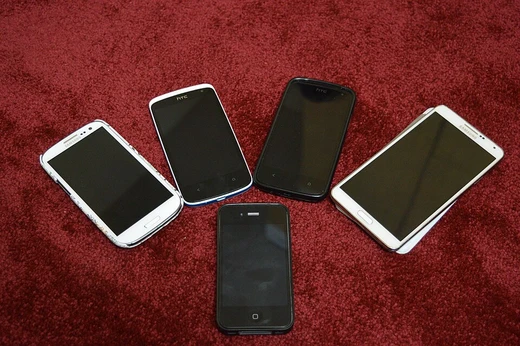
Touchscreen
A display that detects touch input for direct user interaction.

A touchscreen is a type of display that can detect touch input from a user to perform a specific task. It consists of both an input device (a touch panel) and an output device (a visual display), with the touch panel typically layered on top of the electronic visual display. Touchscreens are commonly found in smartphones, tablets, laptops, and other electronic devices, allowing users to interact directly with on-screen content through simple or multi-touch gestures.
- first_finger_driven_touchscreen
- 1965
- key_early_developers
- Eric Johnson, Frank Beck, Bent Stumpe, George Samuel Hurst
- common_display_types
- LCD, AMOLED, OLED
- common_input_methods
- Fingers, stylus, gloves
Lore & Background
One predecessor of the modern touchscreen includes stylus-based systems.
Reader's Guide
The touchscreen has become a ubiquitous user interface component, driven by the popularity of smartphones, tablets, and information appliances. Historically, touchscreen sensors and controller-based firmware were provided by after-market system integrators, but display and chip manufacturers have since integrated touchscreens into fundamental product designs. Touchscreens are found in medical fields, heavy industry, ATMs, kiosks, and educational settings, where keyboard and mouse systems do not allow suitably intuitive, rapid, or accurate interaction. The technology evolved from early stylus-based systems and optical matrices to capacitive and resistive implementations, with multi-touch capabilities emerging in the 1970s and 1980s.
Did You Know?
- The first finger-driven touchscreen was developed by Eric Johnson of the Royal Radar Establishment in 1965.
Frequently Asked Questions
What exactly is a touchscreen in the context of communication and media technology?
A touchscreen is a display that lets a user interact directly with on-screen content by detecting touch input. It combines a visual output layer with a touch-sensitive input panel layered on top, so tapping or gesturing on the screen triggers specific actions.
Who are the key early developers credited with advancing touchscreen technology?
Eric Johnson, Frank Beck, Bent Stumpe, and George Samuel Hurst are recognized as foundational figures in the early development of touch-detection displays. Their work laid the groundwork for the interactive screens that later became standard in consumer electronics.
When was the first finger-driven touchscreen demonstrated?
The first touchscreen designed to respond to a user's bare finger dates back to 1965. That milestone marked the shift from purely mechanical input toward the direct, gesture-based interaction we now expect in phones and tablets.
Which display technologies are most commonly paired with touch panels today?
LCD, AMOLED, and OLED are the three display types most frequently integrated with touch-sensitive layers in modern devices. Each offers different trade-offs in brightness, contrast, and power consumption, but all support the same finger- or stylus-based input.
What input methods can a user employ on a touchscreen?
Users can interact with a touchscreen using their fingers, a dedicated stylus, or even gloved hands. Simple taps, swipes, and multi-touch gestures are the standard interaction vocabulary across smartphones, tablets, laptops, and other consumer devices.
More in Communication And Media 1-21
Spotted an error? Know more?
This is a living reference — every entry is fact-audited, and reader corrections feed straight into our audit queue. Suggest an edit · See this site's audit record